
Understanding the Condition
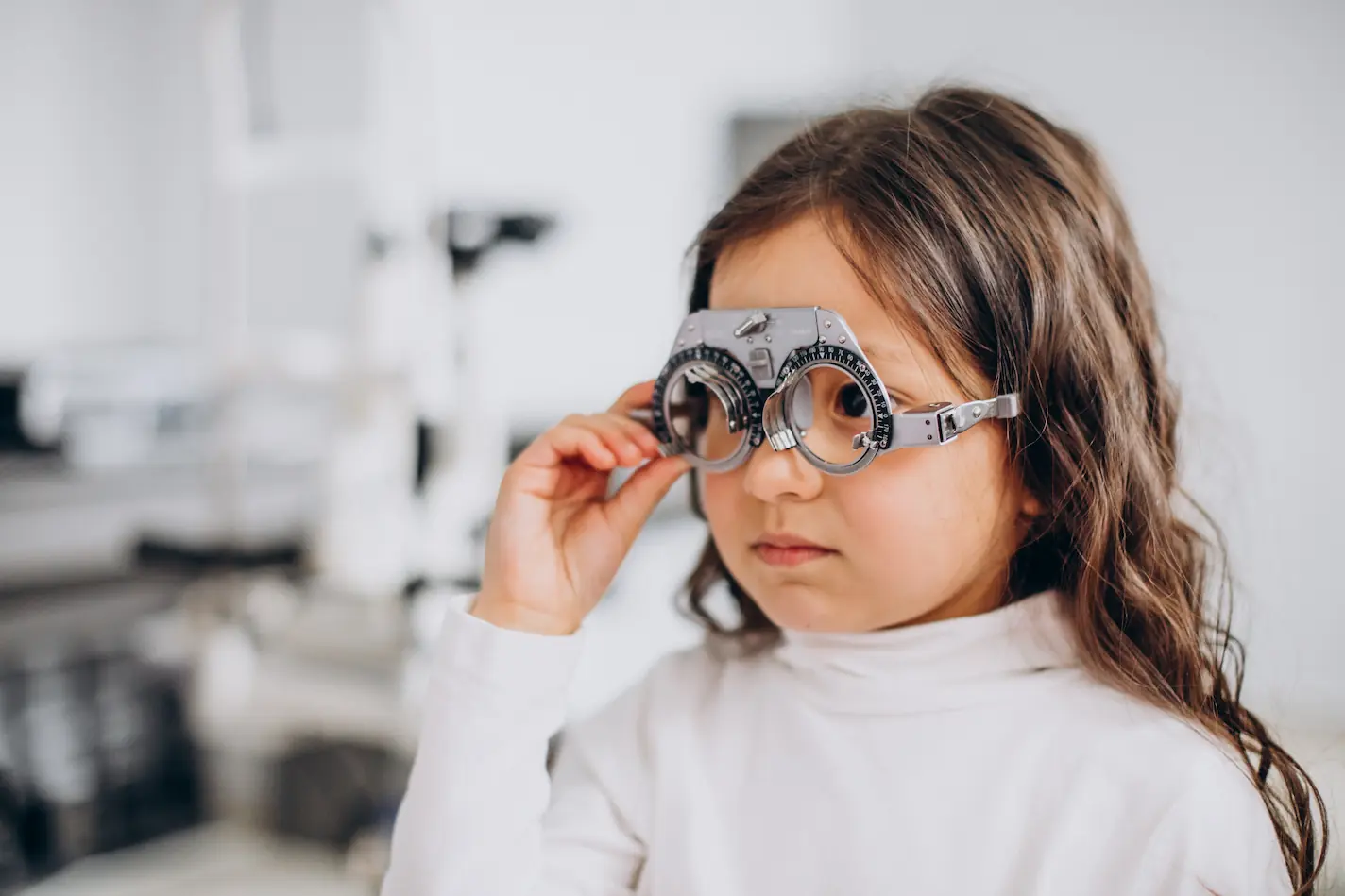
Paediatric ophthalmology specialises in diagnosing and treating eye conditions in children. This field addresses the unique challenges of examining young patients whose eyes are still developing. Early assessment is important because children’s visual systems develop rapidly in the first few years of life.
Symptoms
- Squint or misaligned eyes
- Lazy eye or reduced vision
- Blocked tear ducts
- Droopy eyelids
- Unusual eye movements
- Frequent eye rubbing
- Difficulty with vision
Common Causes
- Strabismus or eye misalignment
- Amblyopia or lazy eye
- Congenital tear duct obstruction
- Ptosis or droopy eyelids
- Refractive errors
- Family history of eye conditions
- Eye injuries or infections
Treatment Options
Paediatric eye care treatment is individualised based on your child’s specific diagnosis. Dr Pedro Gonzalez will recommend the most appropriate approach to support healthy vision development.
- Non-Surgical Treatments with Glasses and Patching
- Surgical Correction of Eye Alignment
- Eyelid and Tear Duct Surgery
- Botox Treatment for Specific Squint Types
Frequently Asked Questions
At what age should children have their eyes examined?
All children have routine checks of their vision at birth and at an early school age (screening). Early assessment is important if there is a family history of eye conditions.
How do you examine young children who won't cooperate?
Paediatric eye examinations use age-appropriate techniques and equipment. Many assessments can be completed even with limited cooperation, and multiple visits may be arranged if needed.
Will my child need surgery?
Surgery is only recommended when clinically appropriate and likely to benefit your child. Many conditions can be managed with non-surgical treatments such as glasses or eye patches.
Ready to Get Started?
Related Treatments
Squint Surgery
Neuro-Ophthalmology