
Understanding the Condition
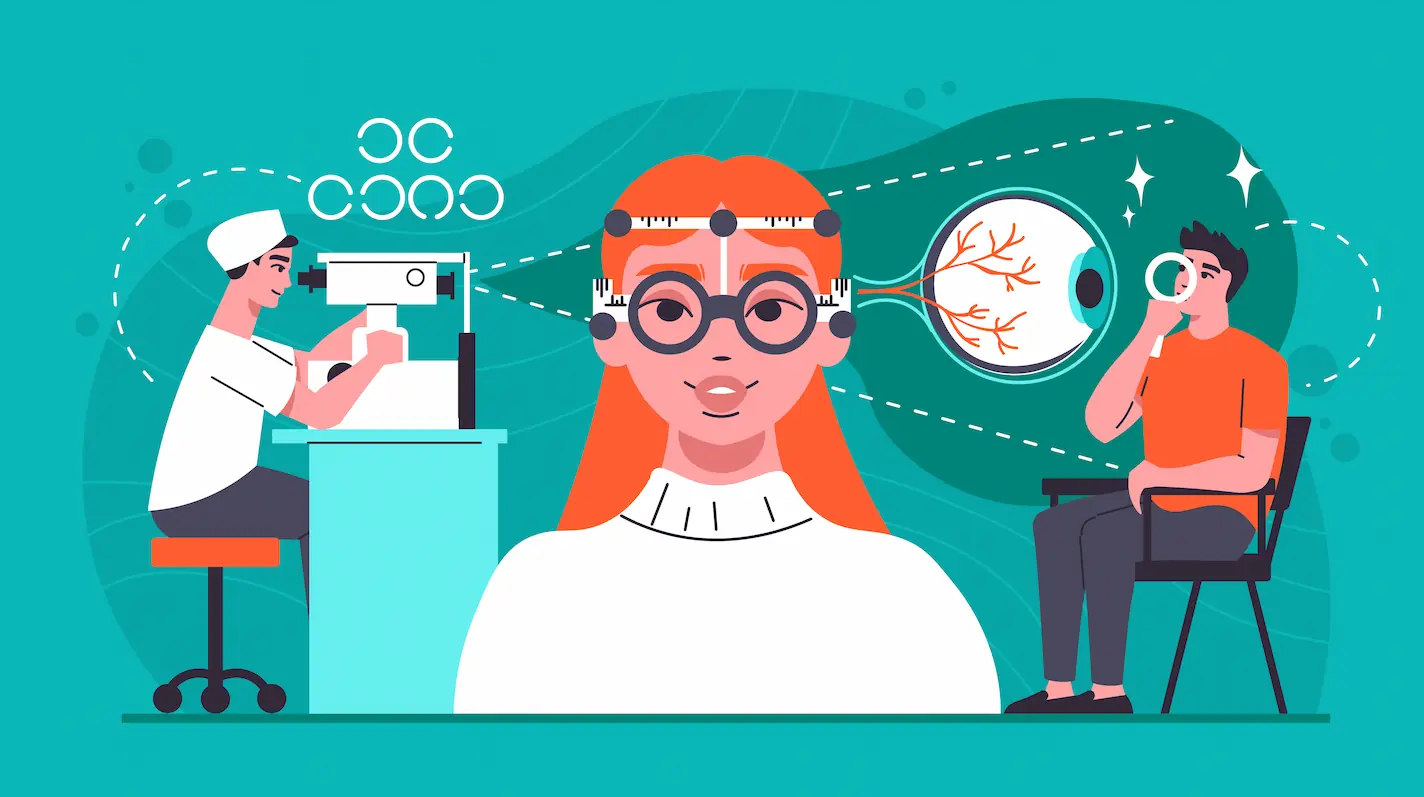
Neuro-ophthalmology focuses on visual problems that stem from disorders of the nervous system rather than the eye itself. This subspecialty addresses conditions where the brain, optic nerves, or neural pathways controlling eye movement are affected. Neuro-ophthalmological assessment may reveal conditions requiring urgent medical attention or long-term specialist management.
Symptoms
- Sudden vision loss in one or both eyes
- Double vision that persists or worsens
- Visual field defects or blind spots
- Unexplained headaches with visual symptoms
- Drooping eyelids or facial weakness
- Pupils that react abnormally to light
- Eye movement problems or involuntary eye movements
Common Causes
- Optic neuritis and optic nerve disorders
- Papilloedema and raised intracranial pressure
- Cranial nerve palsies affecting eye movement
- Visual field defects from stroke or brain injury
- Myasthenia gravis affecting eye muscles
- Thyroid eye disease with neurological complications
- Unexplained visual loss or disturbances
Treatment Options
Neuro-ophthalmological treatment is individualised based on your specific diagnosis and underlying neurological condition. Dr Pedro Gonzalez will recommend the most appropriate approach to address your visual symptoms and preserve or improve visual function.
- Assessment and Medical Management
- Surgical Intervention for Eye Movement Disorders
- Eyelid surgery
- Coordinated Specialist Care
Frequently Asked Questions
How long does treatment take?
Initial consultations typically take 45-60 minutes to allow for comprehensive assessment of your symptoms and detailed examination. Follow-up appointments may be shorter depending on your condition and treatment plan.
Is the treatment painful?
Most diagnostic tests are non-invasive and painless. Your clinician will discuss any procedures beforehand and ensure your comfort throughout the assessment process.
Will I need multiple sessions?
Treatment frequency depends on your specific condition. Some patients may need regular monitoring over months or years, whilst others may require only occasional review once their condition is stable.
Ready to Get Started?
Related Treatments
Squint Surgery
Paediatric Ophthalmology
Adult Ophthalmology